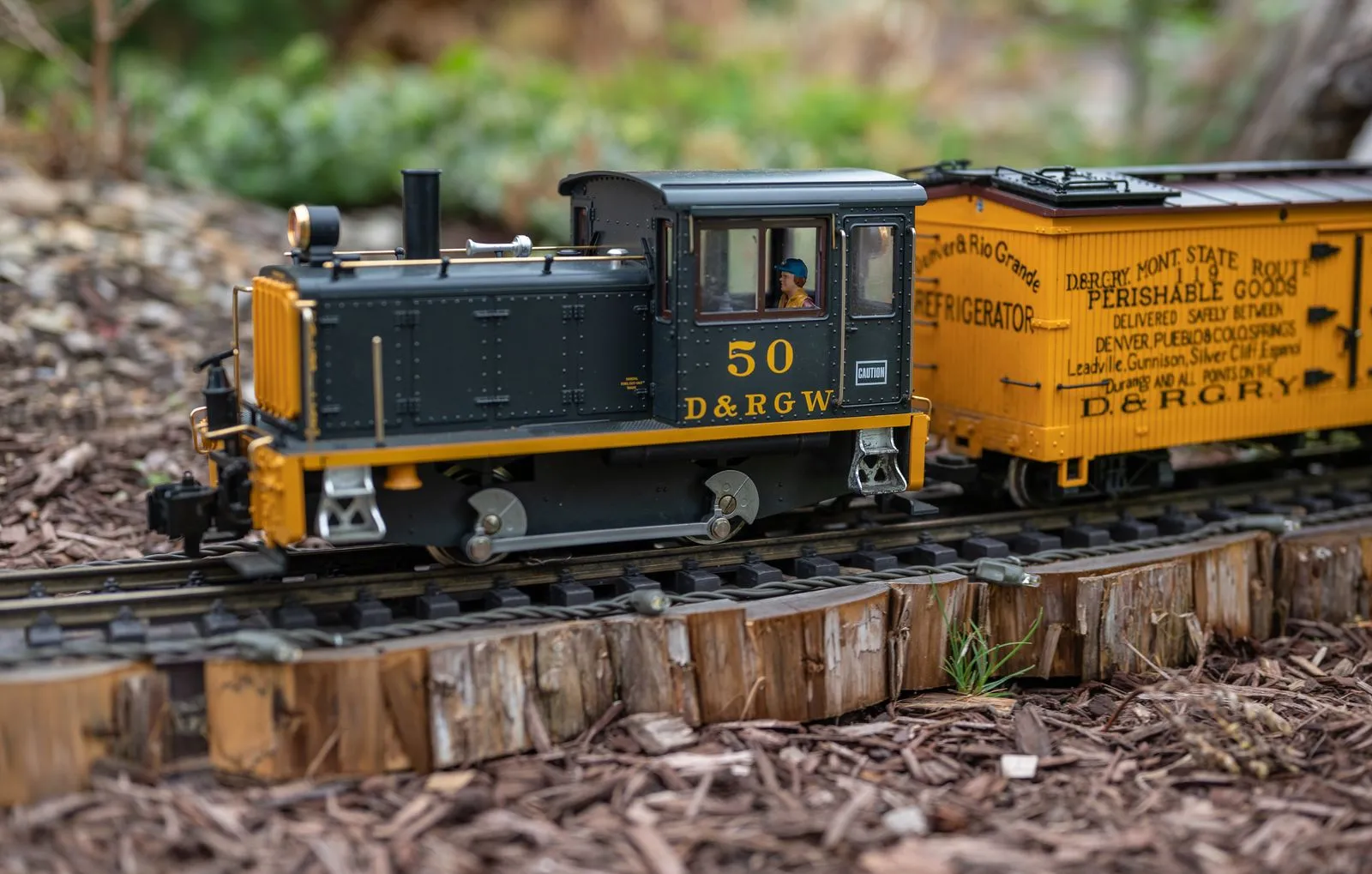
Choosing a model railway scale shapes almost every decision that follows: how much room your layout needs, what details you can add, and which trains and track you can use together. The right choice is not automatically the biggest or most detailed one. Start with the space you can commit, then compare the common scales and check what equipment is available. A little planning now can help you build a layout that suits your home and stays enjoyable as your skills grow.
Know the scale and gauge
Scale describes how much smaller a model is than the real railway. For example, an HO model is about 1:87 scale. Gauge is the distance between the rails. These terms are related but not interchangeable: trains built to the same scale can sometimes use different track gauges to represent different real-world railways.
When shopping, check both the scale and the track system listed for each locomotive, carriage, and piece of track. Matching the scale alone does not guarantee that a train will run on your rails. Keeping a note of the system you choose makes future purchases easier to check.
Compare popular scales
HO, or 1:87, is a widely used option that balances manageable size with room for scenery and detail. N scale, commonly 1:160, takes up less space, so it can suit a longer route or a compact room. Its smaller models may require more careful handling, especially when placing tiny details or working on the track.
OO scale, commonly 1:76, is popular in the United Kingdom and is close in size to HO, though it uses a different track gauge. O scale models are larger and make details easier to see, but they need more display and storage room. Availability and regional popularity vary, so check what models, track, and accessories you can readily find where you live.
Measure your display space
Measure the full area available, including space for controls, access, and safe storage. A layout needs more than a flat surface: you will want room to reach the track, handle trains, and work on scenery. Sketch the footprint before buying, and mark doorways, shelves, and other obstacles that could limit the design.
Think about the kind of railway you want to build. A smaller scale can fit longer trains or broader scenery into a limited footprint. A larger scale can make individual models and details easier to see, but curves and track plans may need more room. If possible, try handling a few models in person before committing.
Check compatibility before buying
Choose a scale and track system before you start collecting. Confirm that locomotives, rolling stock, and track are intended to work together, and check whether the electrical control system fits your plans. For digital control, verify that the locomotive and controller use compatible equipment rather than assuming every system works together.
Consider future availability, too. Browse the models and accessories you hope to add, such as local trains, buildings, or scenery. If you already own equipment, identify its scale and track gauge first. At Trackside Hobart, you can ask about options before settling on a setup, then use your measurements and wish list to guide the conversation.
The best model railway scale is the one that fits your available space, preferred level of detail, and plans for compatible equipment. Measure first, compare real models, and confirm the track system before buying. Once you have a shortlist, visit a local model railway shop to explore the options and choose a starting point for your layout.